Do Quartz Countertops Need to Be Sealed?
Do Quartz Countertops Need to Be Sealed?
When you invest in quartz countertops, it’s natural to wonder whether they require sealing. After all, granite, marble, and many natural stones need regular sealing to stay protected. Quartz, however, plays by different rules. Engineered through a precise blend of quartz crystals and high-performance resin, quartz surfaces are built to resist stains, bacteria, and moisture—without the help of a sealer.
That’s exactly why quartz has become one of the most convenient choices for modern kitchens and bathrooms. Below, you’ll find everything you need to know about sealing, maintaining, and caring for quartz slabs for kitchen installations.
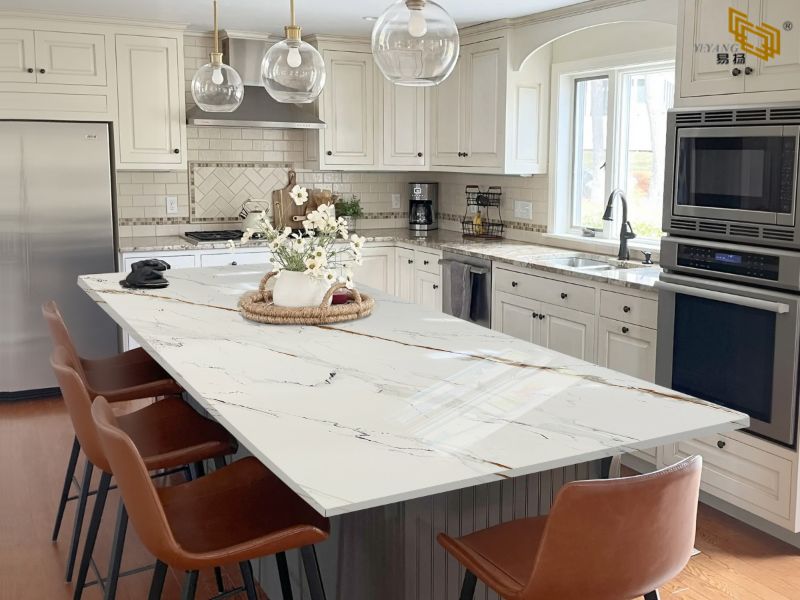
Do Quartz Countertops Need Sealing?
The question comes up often: Do quartz countertops need a sealer? The short answer is no. Unlike natural stone, quartz is manufactured to be non-porous, meaning liquids, oils, and bacteria cannot penetrate the surface.
Thanks to its resin-bonded structure, quartz already provides the same level of surface protection that sealers offer to natural stone. There are no microscopic pores where moisture can settle—so applying a quartz countertops sealer simply isn’t necessary. If you’re new to quartz, it’s understandable to assume it behaves like granite or marble. Natural stone care routines often include regular sealing, which is why many homeowners ask whether quartz needs the same treatment.
However, applying a sealer to quartz can actually work against you. Sealers are designed to absorb into porous materials—but quartz is non-porous. As a result, the product may sit on the surface, leading to streaks, residue, or a cloudy finish. Instead of increasing protection, sealing may create more maintenance problems.
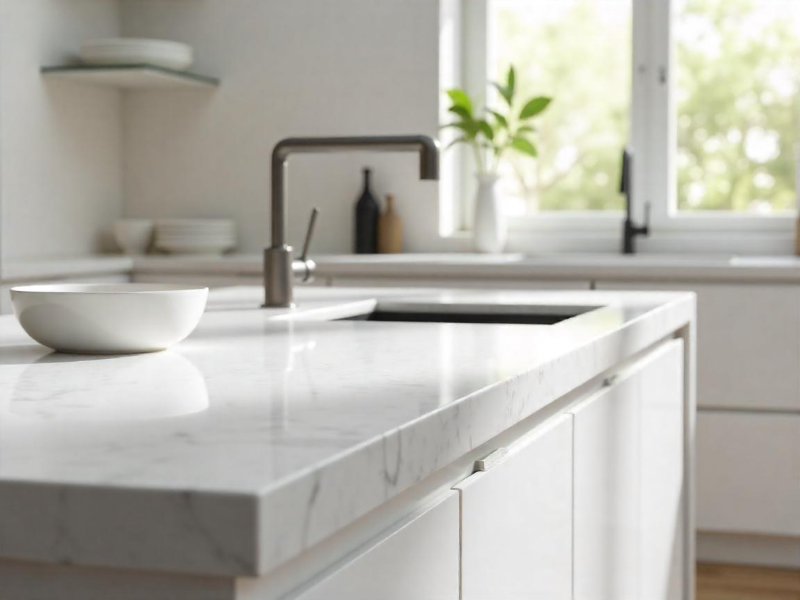
Why Sealing Quartz Is Unnecessary?
Although it’s technically possible to apply a sealer, quartz simply won’t absorb it. The sealer remains on the outer layer, where it may cause:
surface haze
discoloration
dullness or streaking
Since the resin within quartz already protects against stains, moisture, and dirt, adding a sealer offers no benefit. Choosing not to seal quartz is the safest and most efficient care decision.
Quartz vs. Natural Stone: Key Differences in Care
One of quartz’s biggest advantages is its low-maintenance nature. Below is a quick comparison with other popular countertop materials:
Quartz: Engineered to be non-porous; never requires sealing or resealing.
Granite: Naturally porous and must be sealed every 1–3 years to prevent stains and bacteria buildup.
Marble: Softer and even more absorbent than granite; needs frequent sealing and still risks etching.
Soapstone: Dense but often treated with mineral oil to maintain its darker appearance.
Quartzite: Natural stone that looks like quartz but requires sealing because it absorbs moisture.
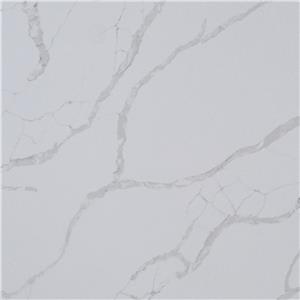
Yeyang A5084B Beige Quartz Slabs for Modern Kitchen Countertops
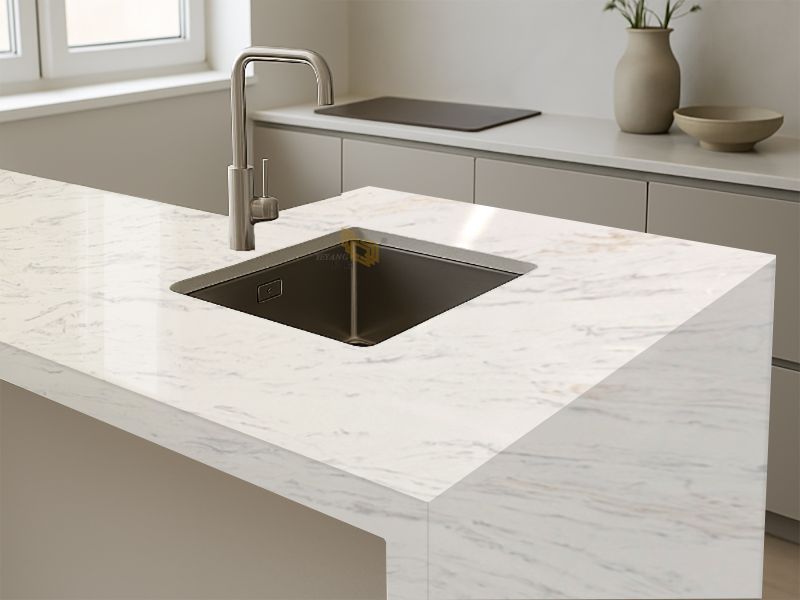
With quartz slabs for kitchen projects, homeowners enjoy long-term performance without the ongoing maintenance demands of natural stone.
Easy Maintenance Tips for Quartz Countertops
Since sealing is not part of the routine, maintaining quartz is refreshingly simple. Use these practical tips to keep your countertops looking their best:
1) Mild soap and water for daily cleaning
A gentle solution is enough to remove everyday messes without harming the resin.
2) Wipe spills promptly
Quartz resists stains, but quick cleanup prevents sticky residue.
3) Avoid abrasive pads and cleaners
Harsh scrubbers can dull the polished surface over time.
4) Use heat protection
Quartz is heat-resistant but not heat-proof—always place hot pots on trivets.
5) Cut on a board
Protect your knives and the surface by using a cutting board.
6) Keep harsh chemicals away
Paint strippers, strong bleach, and industrial cleaners may damage the resin layer.
7) Use coasters for sugary or acidic drinks
Prevents unnecessary buildup and keeps cleaning effortless.
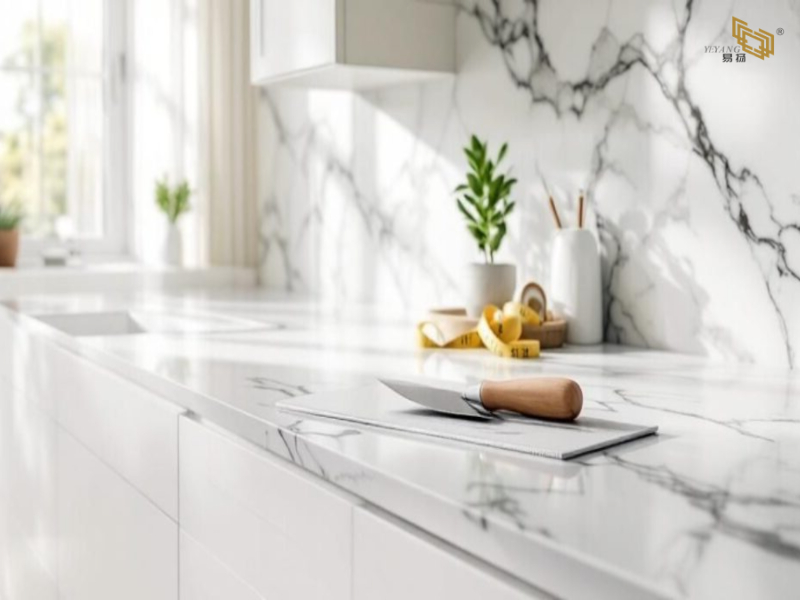
So, do quartz countertops need a sealer? The answer is a definite no. Quartz is specifically engineered for busy households that want the elegance of stone without constant upkeep. Its durability, stain resistance, and non-porous structure make sealing unnecessary—and in some cases, counterproductive. With quartz, you can enjoy a beautiful, long-lasting surface without the hassle of resealing schedules.
Contact us today to learn more about quartz slabs for kitchen projects or to explore our full collection of engineered stone.